

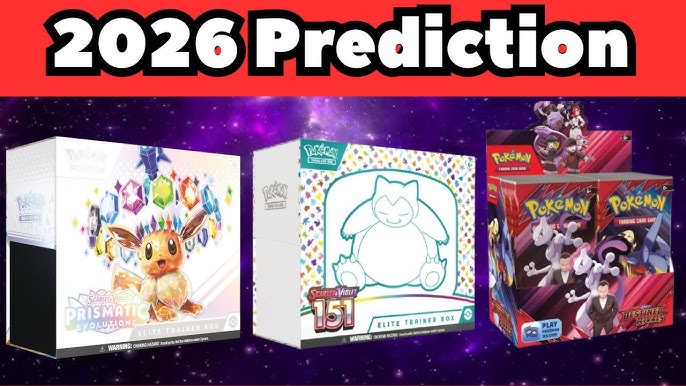
The Pokémon card market has grown up. After the wild speculation of 2020-2021 and the painful correction that followed, what remains is a legitimate collectibles market valued at roughly $7.5 billion—and projected to hit $11 billion by 2030.
For collectors wondering where to put their money ahead of the franchise’s 30th anniversary in 2026, here’s what you need to know.
The Dust Has Settled
The pandemic boom was real. eBay reported a 574% spike in Pokémon card sales in 2020. Logan Paul’s viral unboxing of a $200,000 booster box brought mainstream attention. Rapper Logic dropped $224,000 on a single Charizard. Prices went vertical.
Then came the crash. Rising interest rates and recession fears sent modern cards tumbling 50-80% from their peaks. That McDonald’s Happy Meal Pikachu that once traded at $51? It fell to $17.
But here’s the thing—vintage never collapsed. PSA 10 copies of 1st Edition Base Set cards stabilized faster than anything else. By late 2025, a PSA 10 Charizard sold for $550,000, setting a new record.
Where the Value Actually Lives
Vintage cards—anything printed before 2003—hold roughly 90% of the market’s total value. They’ve appreciated around 3,800% since 2004, crushing the S&P 500’s average returns over the same period.
Modern cards tell a different story. The Pokémon Company printed 10.2 billion cards last fiscal year alone. That kind of supply creates real problems for appreciation. Only chase cards from genuinely scarce sets show meaningful gains.
| Category | Typical Appreciation | Risk Level |
|---|---|---|
| Vintage PSA 10 (pre-2003) | 20-40% annually | Low |
| Modern chase cards | Highly variable | Medium-High |
| Sealed booster boxes (3-5 year hold) | 100-2000%+ | Medium |
| Mass-market modern singles | Often negative | High |
The Sealed Product Play
Sealed boxes have become their own asset class. The numbers speak for themselves:
An Evolving Skies booster box released at $143 in August 2021 now trades between $2,000 and $2,900. That’s a 1,400-2,000% return in four years. A Pokémon Center Exclusive 151 ETB that cost $60 in September 2023 hit $932 within two years.
The pattern is consistent: prices often dip below retail during the 6-24 month saturation window after release. That’s your buying opportunity. Returns typically accelerate in years three through five as products go out of print.
Current picks getting attention from serious collectors include Prismatic Evolutions, Journey Together, and Destined Rivals. Pokémon Center exclusives consistently outperform standard retail versions by 50-100%.
The catch? Counterfeits and resealed products are everywhere. Stick with authorized retailers. Watch for loose shrink wrap, missing branded plastic, and extra tape on seams.
Grading: When It Makes Sense
A raw 1st Edition Charizard in excellent condition might fetch $1,500. The same card in a PSA 10 slab commands $300,000 or more. That’s a 200x multiplier.
But grading isn’t free money. The math only works if your card is worth at least $50 raw and has realistic PSA 10 potential. Cards grading PSA 8 or below typically lose money after fees and wait times.
Modern cards pulled fresh from packs hit PSA 10 rates of 40-60%, making them attractive grading candidates. Vintage is far riskier—centering issues alone can tank a grade.
One trend worth watching: the PSA 9 market. As PSA 10 prices for vintage cards reach six figures, collectors are discovering that PSA 9 offers 80-90% of the visual appeal at 20-30% of the cost.
The 30th Anniversary Factor
February 27, 2026 marks Pokémon’s 30th anniversary. The Pokémon Company has already called it “the best one yet.”
History suggests what’s coming. The 25th anniversary in 2021 delivered the Celebrations set, Ultra Premium Collections, McDonald’s promotions, and celebrity collaborations. Expect the 30th to go bigger.
Anniversary products hit shelves starting January 30, 2026. A McDonald’s Happy Meal TCG promotion returns in February. Past anniversaries have driven 30-50% price bumps for vintage cards.
The Mega Evolution mechanic also returned in September 2025, bringing new chase cards and fresh collector interest.
The Bottom Line
The speculation era is over. What’s left is a market that rewards patience, selectivity, and genuine scarcity.
Vintage PSA 10 cards with low population counts remain the safest long-term holds. Sealed products from sets with strong chase cards offer compelling returns for those willing to wait three to five years. Modern singles require ruthless selectivity—only truly scarce cards from under-printed sets hold value.
The 30th anniversary represents a known catalyst. Position accordingly.
And remember: over 80% of recent trading activity comes from flippers chasing quick profits. The collectors playing the long game are the ones who tend to win.



