

The Van Gogh Pikachu promo has quietly become the most traded graded Pokemon card in history. With over 4,200 verified auction sales and nearly 97,000 total submissions to PSA, this museum collaboration card tells us something important about where the market is actually moving—and it’s not where most collectors assume.
The Real Money Moves in the Middle
There’s a persistent myth in Pokemon collecting that expensive chase cards drive the market. The data tells a different story. Transaction volume overwhelmingly favors cards priced between $50 and $500, where everyday collectors can participate without betting their rent money.
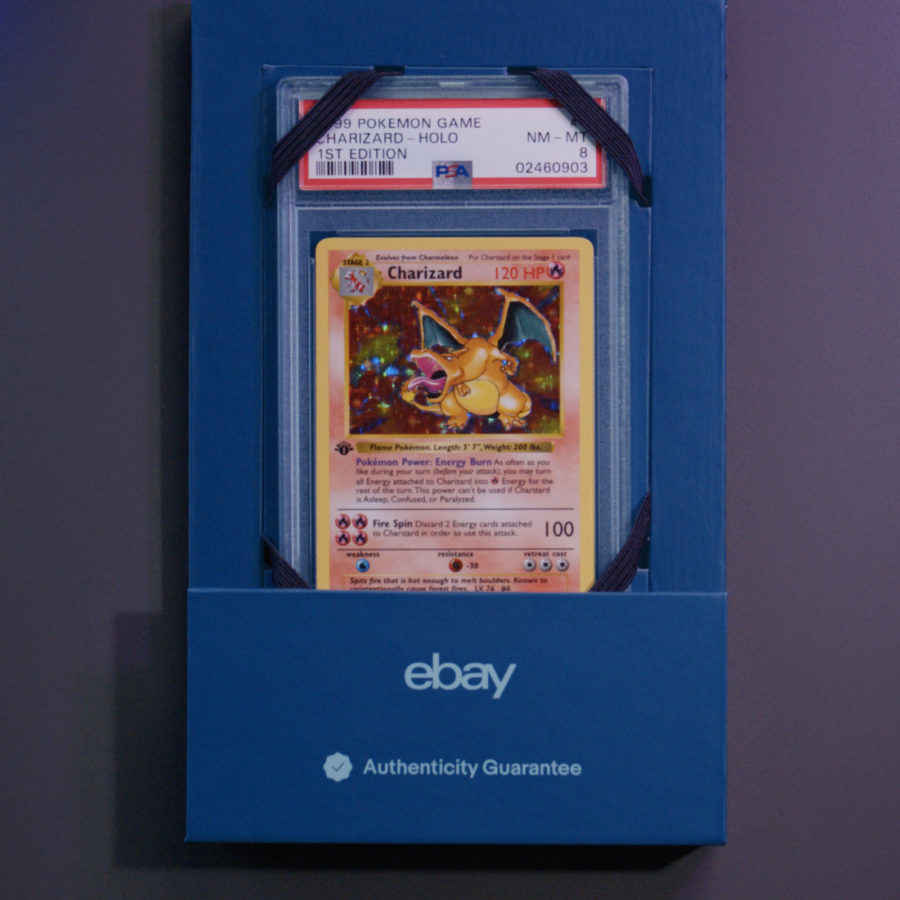
Consider the contrast: a Base Set Charizard in PSA 10 commands around $9,775, but it barely trades. Meanwhile, the Charizard V Black Star Promo at roughly $75 changes hands constantly. More than 85,000 copies have been graded, with 57% hitting that perfect 10. That combination of accessibility and availability creates genuine market liquidity.
This pattern repeats across the hobby. The Japanese McDonald’s Pikachu from 2025 holds the all-time grading record at 105,000 submissions with an absurd 90% gem rate. At just $66 per slab, it represents the highest-velocity segment of the market—cards that collectors buy, trade, and flip regularly.
What’s Moving Right Now
The current eBay landscape reveals clear preferences. Over 178,000 PSA 10 Pokemon listings are active at any given time, with Japanese cards slightly outnumbering English releases. Here’s where the action concentrates:

The Sword & Shield era dominates not because of any single blockbuster card, but because its high gem rates and reasonable prices make collecting feel achievable. When half your submissions come back perfect 10s, you’re more likely to keep playing the game.
The Cards Collectors Actually Chase
Looking at verified sales data and grading populations, certain cards stand out for their combination of desirability and trading frequency.
The Van Gogh Pikachu leads everything with those 4,200+ tracked sales. Despite a 46% gem rate creating substantial supply, prices have climbed 132% over the past year. The cultural crossover appeal—Pokemon meets fine art—generates buyer interest that transcends the typical collector base.
The Charizard ex Special Illustration Rare from Pokemon 151 shows similar dynamics. Nearly 80,000 copies have been graded, though only 30% achieve PSA 10. Those perfect examples trade around $1,100, making it expensive enough to feel special but accessible enough to actually sell.
Then there’s the Umbreon VMAX Alt Art, affectionately called “Moonbreon” by collectors. It’s widely considered the defining chase card of the Sword & Shield era, currently trading between $710 and $1,050 with prices up 15% in November alone. Umbreon’s devoted fanbase combined with genuinely stunning artwork creates sustained demand that doesn’t depend on speculation.
The Japanese market deserves attention too. The Umbreon ex Special Art Rare from Terastal Festival has over 60,000 graded copies with an 88% gem rate, trading around $500. Region-exclusive promos consistently command premiums while maintaining strong liquidity.
Reading the Market Signals
Several factors predict which PSA 10 cards will trade actively versus sitting in inventory.
Character recognition matters enormously. Pikachu alone accounts for over 345,000 graded cards in 2025. Charizard and Umbreon follow close behind. When a card features a beloved Pokemon, the buyer pool expands dramatically.
Gem rates shape collector behavior in unexpected ways. Cards with 50% or higher gem rates attract more grading submissions because collectors can confidently expect good results. This creates steady supply to match demand. Vintage holos with 1-6% gem rates remain scarce and trade infrequently—prestigious to own, but illiquid as investments.
Special collaborations generate viral attention that translates to trading volume. The Van Gogh partnership worked because it reached audiences who’d never consider buying a Pokemon card otherwise. Watch for similar crossover events.
The Bigger Picture
Pokemon dominates the graded card industry in 2025. Of the top 100 cards submitted to PSA in the first half of this year, 97 were Pokemon. The trading card market hit $2.2 billion last year and projections suggest it could reach $24 billion by 2032.
Searches for “Pokemon 151” increased 11,000% year-over-year on eBay—nostalgia-driven modern releases are resonating with collectors who grew up with the original games.
For buyers looking to make informed decisions, the market’s message is clear: iconic characters, accessible price points, and high gem rates create the most liquid cards. The Van Gogh Pikachu’s success provides a template—cultural relevance paired with realistic entry points beats pure scarcity every time.
Population concerns matter less than you’d think. What matters is whether buyers exist when you’re ready to sell. In the $50-$500 range, they almost always do.



