

The Sword & Shield era of Pokemon TCG experienced a wild ride over the past year. After an explosive rally that saw top chase cards climb by an average of 42% between October 2024 and March 2025, the market has shifted gears. For collectors eyeing the $50 to $1,500 range, November 2025 tells a story of stabilization rather than continued gains.
One Card Stands Alone
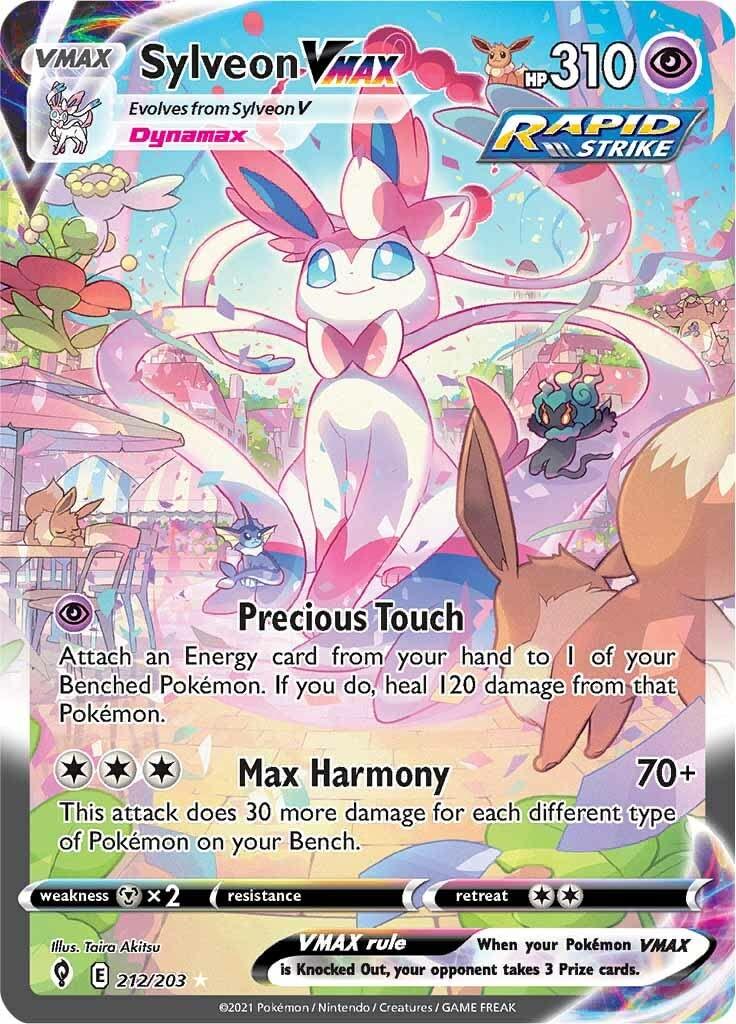
Of all the high-value Sword & Shield cards tracked this month, only one shows meaningful upward movement: Sylveon VMAX Alternate Art from Evolving Skies. The card jumped roughly $80 to reach $409.88, marking it as the sole substantial gainer in its price class.
Everything else? Stable at best, correcting at worst.
The iconic “Moonbreon”—Umbreon VMAX Alternate Art—which surged from $975 to over $2,200 during the peak rally, has pulled back around $100. Dragonite V Alternate Art dropped approximately $60. Even Lugia V Alternate Art from Silver Tempest has declined by $25.
Current Price Snapshot
Here’s where the major Sword & Shield chase cards sit right now:

What Drove the Rally—and Why It Cooled Off
The surge from late 2024 through early 2025 wasn’t random. Several factors converged to push prices upward.
Pokemon TCG Pocket launched on mobile, introducing a wave of new players to the hobby. Many of those digital collectors eventually wandered into the physical card market. Meanwhile, anticipation began building for Pokemon’s 30th anniversary in 2026, creating speculative demand. Perhaps most importantly, Sword & Shield sealed products officially went out of print, making booster boxes increasingly scarce.
Those same booster boxes now command over $2,589—up 160% from their original release price. The sealed market remains hot even as singles cool off.
November 2025 represents the natural aftermath of that frenzy. Prices aren’t crashing. They’re consolidating. Most alternate art cards have settled into a 10-20% correction from their peak values while the market digests the previous gains.
Where the Action Actually Is
If you’re hunting for percentage gains, you won’t find them in the premium tier right now. The real movement is happening below the $50 threshold—cards that won’t make most collectors’ wish lists but are showing genuine momentum.
Toxtricity from Crown Zenith jumped over 53% in a week, though it only costs about $4. Gold Level Ball from Battle Styles climbed 35% to around $11. Quick Ball Gold and Arceus VSTAR from Brilliant Stars both saw gains exceeding 24%.
These aren’t chase cards. But they demonstrate that money is still flowing into the Sword & Shield era. It’s just flowing into different corners than it was six months ago.
What This Means for Buyers
For collectors considering purchases in the $50-$1,500 range, the current market presents both opportunity and caution.
On one hand, buying during a consolidation phase beats buying at the peak. Cards like Umbreon V Alternate Art or Dragonite V Alternate Art that have pulled back 10-15% might represent better entry points than they did last spring.
On the other hand, expecting quick appreciation seems unrealistic given current conditions. The era of easy gains in Sword & Shield singles has likely passed. What remains is a mature market where quality cards hold value but don’t necessarily climb month over month.
Sealed product tells a different story. Those out-of-print booster boxes continue appreciating as supply dwindles. Long-term collectors might find better returns in sealed Evolving Skies or Crown Zenith than in any individual single.
The Bottom Line
The Sword & Shield market isn’t dead. It’s just catching its breath. After a year-long rally pushed prices to levels many thought impossible, November 2025 shows a market finding its footing.
For now, Sylveon VMAX Alternate Art stands as the exception—the one card in its class still climbing while others rest. Whether that signals the start of a new trend or simply the last gasp of the old one remains to be seen.
Collectors looking to buy should do so with patience rather than urgency. The rush is over. What comes next will reward those who understand that markets move in cycles, and this cycle has entered its cooling phase.



