

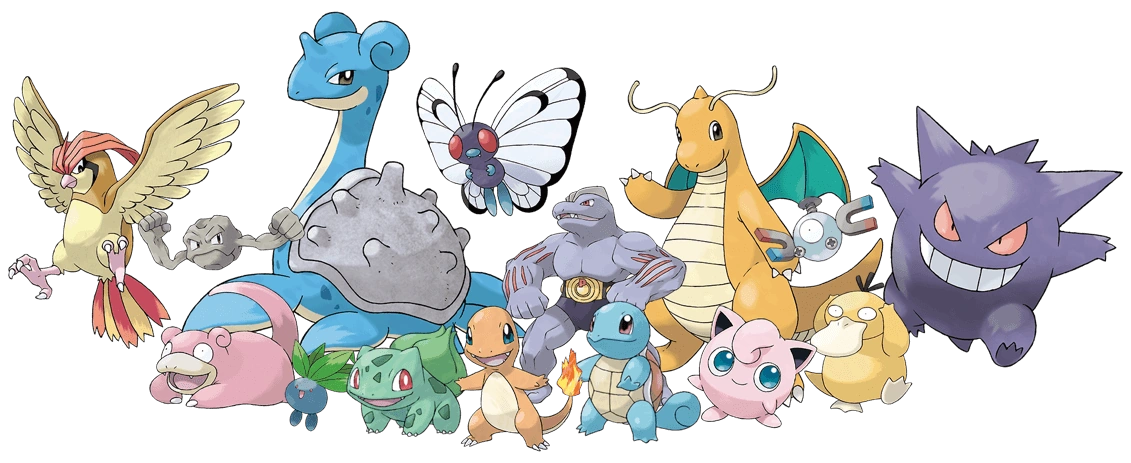
The Pokémon franchise is experiencing one of its most ambitious periods in recent memory—and one of its most frustrating. As The Pokémon Company pushes a coordinated revival of the beloved Mega Evolution mechanic across games and trading cards, fans are finding themselves caught between competitive excitement and an unprecedented retail crisis that’s testing their loyalty to the franchise.
Mega Evolution Takes Center Stage
The strategy is undeniably clever. Pokémon Legends: Z-A, which launched with both standard Switch and “Nintendo Switch 2 Edition” versions, has made Mega Evolution central to its competitive ecosystem. The game’s second Ranked Battles season, running through late November, isn’t just about bragging rights—it’s become mandatory for serious players. Want Delphoxite to Mega Evolve your Delphox? You’ll need to reach Rank S. Greninjite requires hitting Rank Y. The message is clear: competitive participation is no longer optional if you want access to the game’s most powerful mechanics.
This calculated move to lock Mega Stones behind competitive achievements has proven effective at driving player engagement, particularly with the introduction of Mega Dragonite, a new form that’s already reshaping team strategies. It’s a smart way to keep the competitive scene active, but it’s also added pressure on players who now must grind ranked battles to stay relevant.
The Trading Card Game’s Radical Overhaul
Meanwhile, the Trading Card Game has fully committed to the Mega Evolution era with its September release of the flagship Mega Evolution set, followed rapidly by Phantasmal Flames in mid-November. The new sets feature powerful cards like Mega Lucario ex and Mega Gardevoir ex, but there’s a catch that’s dividing the competitive community: Mega Pokémon ex concede three Prize cards when knocked out, creating a high-risk, high-reward dynamic that demands entirely new deck strategies.
The competitive overhaul doesn’t stop there. The TCG’s 2025 Standard Rotation has effectively killed the V-Card era by removing all ‘F’ regulation mark cards, forcing players to rebuild their decks from scratch. Looking ahead to 2026, a new overtime system will replace the old “+3 turns” rule with a strict 10-minute clock and just one extra turn per player. It’s a move designed to eliminate stalling tactics and speed up tournaments, but it means players need to completely retrain their tournament mindset around aggressive, time-conscious play.
The Retail Crisis Nobody Saw Coming
Here’s where the wheels come off: none of this competitive evolution matters if players can’t actually get their hands on the cards.
The TCG market is in crisis. Booster boxes that should retail for around $144 are selling for $280. Elite Trainer Boxes are being listed at $114—or even $200 for upcoming set preorders. It’s gotten so bad that some fans have started calling local game stores “scalpers with a tax ID,” a harsh indictment that reveals how deeply trust has eroded.
The Pokémon Company has acknowledged the problem, promising to reprint products “at maximum capacity” and implementing virtual queues on their online store. But here’s the uncomfortable truth the company needs to address: the problem isn’t just external scalpers. According to retailers themselves, distributors are only fulfilling a fraction of store orders—sometimes as little as one-eighth of what shops request—and charging them 80-85% of secondary market prices for the privilege.
Local Stores Caught in the Crossfire
This puts local game stores in an impossible position. Sell at MSRP and watch scalpers immediately flip the product while your store takes a loss, or price near market rates and face accusations of greed from your own community. Some shops have responded by implementing $200 annual membership programs just to access preorders at reasonable prices, or removing shrink wrap at the point of sale to deter resellers. These aren’t greedy tactics—they’re survival mechanisms.
The casualty in all this isn’t just wallets. It’s the hobby itself. As one frustrated collector put it: “It has sucked the fun out of the hobby. It’s just not worth it anymore if you have to pay above MSRP.”
The Path Forward
There’s a bitter irony here. The Pokémon Company has designed an intricate, engaging competitive ecosystem across both video games and cards. They’ve introduced meaningful rule changes to improve tournament play and created compelling reasons to engage with ranked battles. They’re even planning ambitious future projects—leaked development documents suggest the 2026 titles Pokémon Winds and Waves will feature procedurally generated islands and survival mechanics, a radical departure that could address longtime fan complaints about game scope.
But what good is a thriving competitive scene if the barrier to entry is prohibitively expensive? How can new players join when membership fees and inflated prices create a two-tier system that favors established “regulars” over newcomers?
The solution requires more than increased printing capacity. The Pokémon Company needs to fundamentally examine its distribution model and ensure that wholesale pricing allows retailers to actually sell at MSRP without losing money. Until that structural issue is addressed, all the creative ambition and competitive innovation in the world won’t matter—because fans are being priced out of participating in the renaissance they helped create.



